

News
Yingcai is more than just packaging; it's about creating a future for brands
Analysis of the main production processes and quality issues of composite packaging bags!
The basic preparation process of composite packaging bags involves four steps: printing, lamination, cutting, and bag making. Among them, lamination and bag making are key processes that affect product performance. When designing product packaging processes, in addition to correctly selecting various substrates, the selection of composite packaging bag adhesives is also important and should be made according to the product's use, composition, post-processing conditions, and quality requirements.

Composite packaging bags The basic preparation process is four steps: printing, lamination, cutting, and bag making. Among them, lamination and bag making are the key processes that affect product performance.
Lamination process
When designing product packaging processes, in addition to correctly selecting various substrates, selecting Composite packaging bags Adhesive is also important. It should be selected according to the product's use, composition, post-processing conditions, and quality requirements. If the wrong adhesive is selected, even if the composite processing technology is improved, it will cause poor adhesion, low post-processing adhesion, poor composite properties, leakage, bag breakage, and other failures.
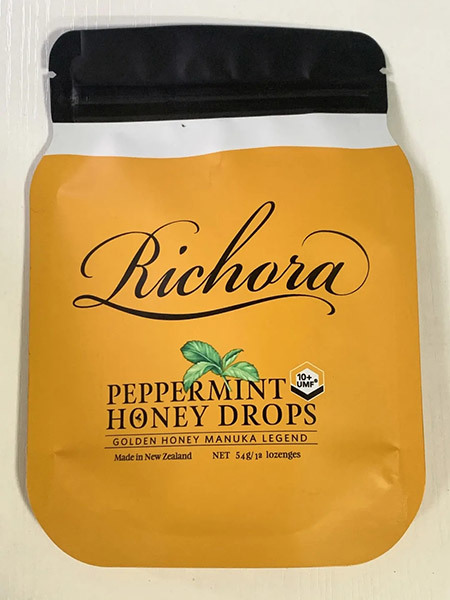
Composite packaging bags The selection needs to consider many factors. Generally speaking, as a composite adhesive, it should meet the following conditions:
1. Non-toxic;
2. No harmful extracts after liquid packaging;
3. Suitable for the temperature requirements of food storage;
4. Good weather resistance, no yellowing, no bubbling, no powdering, no delamination;
5. Oil-resistant, fragrance-resistant, vinegar-resistant, alcohol-resistant;
6. Does not corrode ink, high ink affinity.
In addition, Composite packaging bags Flexibility, operability, adhesion durability, resistance to medium erosion, and hygiene cannot be ignored. In terms of moderate corrosion resistance, the contents include spices, alcohol, water, sugar, fatty acids, etc., which have different properties. It is very possible that they will penetrate into the adhesive layer through the inner layer of the composite film, causing corrosion and damage, leading to delamination and rupture of the packaging bag, resulting in failure. Therefore, the adhesive must have the ability to resist the erosion of the above-mentioned substances and always maintain sufficient adhesive peel strength.
The composite processing methods for plastic films include dry lamination, wet lamination, extrusion lamination, hot melt lamination, and co-extrusion lamination.
Dry lamination is a commonly used method in composite packaging bags. Under certain temperature, tension, and speed conditions, a solvent-based adhesive (single-component hot melt adhesive or two-component reactive adhesive) is evenly coated on the substrate. The solvent is volatilized and dried through the drying tunnel of the laminator (divided into three areas: evaporation area, curing area, and deodorization area), and then bonded to the substrate (plastic film, paper, or aluminum foil) under hot pressing to form a composite film.
Wet lamination is Composite packaging bags A layer of adhesive is applied to the surface of the composite substrate (plastic film, aluminum foil), and it is laminated with other materials (paper, cellophane) through a pressure roller, and then dried in an oven to form a composite film.
More Content